Buying your first home is one of life's most exciting milestones, but it can also feel overwhelming. From understanding mortgages and deposits to choosing the right location and navigating the buying process, there are several key steps to get your head around.
The good news is that with the right preparation, buying your first home can be a straightforward and rewarding experience. Our guide answers some of the most common questions first time buyers ask and explains the key steps involved.
What qualifies you as a first time buyer?
A first time buyer is someone who has never owned a residential property, either in the UK or abroad. If you're purchasing with another person, both buyers must typically meet this definition to access first-time buyer benefits and schemes.
Why this matters:
- You may pay reduced Stamp Duty
- You could access specialist mortgage products
- You may qualify for government initiatives like the First Homes Scheme
How much deposit do you need to buy your first home?
Most lenders require at least a 5% deposit, but 10–15% often unlocks better mortgage rates and lower monthly payments.
Example deposits:
- 5% deposit on a £250,000 home = £12,500
- 10% deposit on a £250,000 home = £25,000
- 15% deposit on a £250,000 home = £37,500
In summary:
- Lower deposit = easier entry onto the property ladder
- Larger deposit = better rates and lower loan-to-value (LTV)
How much can you borrow for a mortgage?
Most lenders will typically offer between four and five times your annual household income, although this varies depending on your financial circumstances.
Mortgage providers will assess:
- Your income
- Existing debts and financial commitments
- Credit history
- Employment status
- Regular household expenditure
Key takeaway: Get a Mortgage Agreement in Principle (AIP) before viewing homes - it shows sellers you're a serious buyer and clarifies your budget.
What additional costs should first-time buyers budget for?
Beyond your deposit, first-time buyers should budget several thousand pounds for additional costs.
These may include:
- Solicitor or conveyancing fees
- Survey costs
- Mortgage arrangement fees
- Removal expenses
- Stamp Duty (where applicable)
Practical tip: Plan your full budget early to avoid surprises later down the line.
How do you choose the right location?
Location remains one of the most important factors when buying a home. It directly impacts your lifestyle, property value, and future resale potential.
When researching potential areas, consider:
- Commute times and transport links
- Local schools and education options
- Access to shops, healthcare and leisure facilities
- Green spaces and outdoor amenities
- Future investment and regeneration plans
- Crime rates and community atmosphere
Pro tip: Visit areas at different times and check local community groups for real-world insights.
Step-by-step: The home buying process
The home-buying process can seem complicated but breaking it down into stages makes it much easier to understand.
1. Assess your finances
Review your savings, monthly budget and affordability before you start searching. Understanding what you can comfortably afford before you start viewing homes will help narrow your search.
2. Get a Mortgage Agreement in Principle
An AIP provides an indication of how much a lender may be willing to offer you.
3. Search for properties
Research locations, compare property types and arrange viewings for homes that meet your needs and budget.
4. Make an offer
Once you've found the right property, submit an offer through the estate agent. Negotiations may take place before an offer is accepted.
5. Appoint a solicitor
Your solicitor or conveyancer will manage the legal aspects of the purchase, including property searches and contracts.
6. Arrange surveys and mortgage approval
Your lender will carry out a valuation, and you may choose to arrange additional surveys on the property for further peace of mind.
7. Exchange contracts
Once all legal checks have been completed, contracts are exchanged and the purchase becomes legally binding.
8. Completion
The day you’ve been waiting for. The remainder of the money transfers across and you collect your new house keys.
Why many first-time buyers choose a new build home
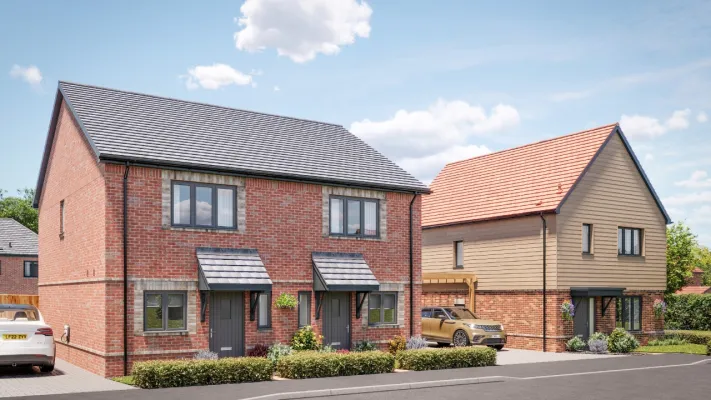
For many buyers, a new build home offers a straightforward route onto the property ladder.
New homes are designed around modern lifestyles, with energy efficiency, flexible living spaces and lower maintenance requirements built in from day one. This can be particularly appealing for buyers who are managing a mortgage for the first time and want greater certainty around future household costs.
Some of the key benefits of a new build include:
- Improved energy efficiency, helping to reduce heating and electricity bills
- Modern kitchens, bathrooms and fixtures that require little immediate maintenance
- New home warranty protection for added peace of mind
- Contemporary layouts designed for modern family life and hybrid working
- The opportunity to personalise certain finishes when purchasing early in the build process
Expert insight: At Elivia Homes, we understand that buying your first home is a significant milestone. That's why our team is on hand to guide buyers through every stage of the journey, from understanding affordability and choosing the right location through to receiving the keys to their new home.
Whether you're looking for a stylish apartment, a home close to excellent schools or a property with easy commuter links, a new build development can offer an attractive combination of convenience, efficiency and long-term value.
Frequently Asked Questions
Is it better to save a larger deposit?
Generally, yes. A larger deposit can unlock more competitive mortgage rates and reduce your monthly repayments.
What credit score do I need to buy a house?
There is no universal minimum score, but maintaining a strong credit history will improve your chances of securing a mortgage and accessing better rates.
How long does buying a house take?
From offer acceptance to completion, the process typically takes between eight and 16 weeks, although timescales can vary depending on the property and legal process.
Can first-time buyers get government support?
Government schemes and incentives can change over time. It's worth checking the latest guidance or speaking to a mortgage adviser to understand what support may be available.
Is buying a home more affordable than renting?
This depends on local property prices, mortgage rates and individual circumstances. However, many buyers value the long-term security, stability and opportunity to build equity that homeownership can provide.
Final Thoughts
Buying your first home can feel daunting, but understanding the process and planning ahead can make a significant difference. By researching your options, budgeting carefully and seeking professional advice when needed, you'll be in a stronger position to make informed decisions and find a home that suits your lifestyle and future plans.
Whether you're just starting to save for a deposit or actively searching for your first property, taking the time to understand the journey can help you move forward with confidence. And when you're ready to take the next step, choosing a high-quality new build home from a trusted developer can make the experience even smoother.